WHS in Newcastle
Servicing Lake Macquarie, the Hunter Valley, and the Mid North Coast.
- FPAS Approved
- Established in 2014
- Trusted Compliance
Send Us a Message
Contact Us
Thank you for contacting Safe Industries Group.
We will get back to you as soon as possible.
Oops, there was an error sending your message.
Please try again later.
Don't Wait for An Incident to Occur
WHS Compliance Made Simple
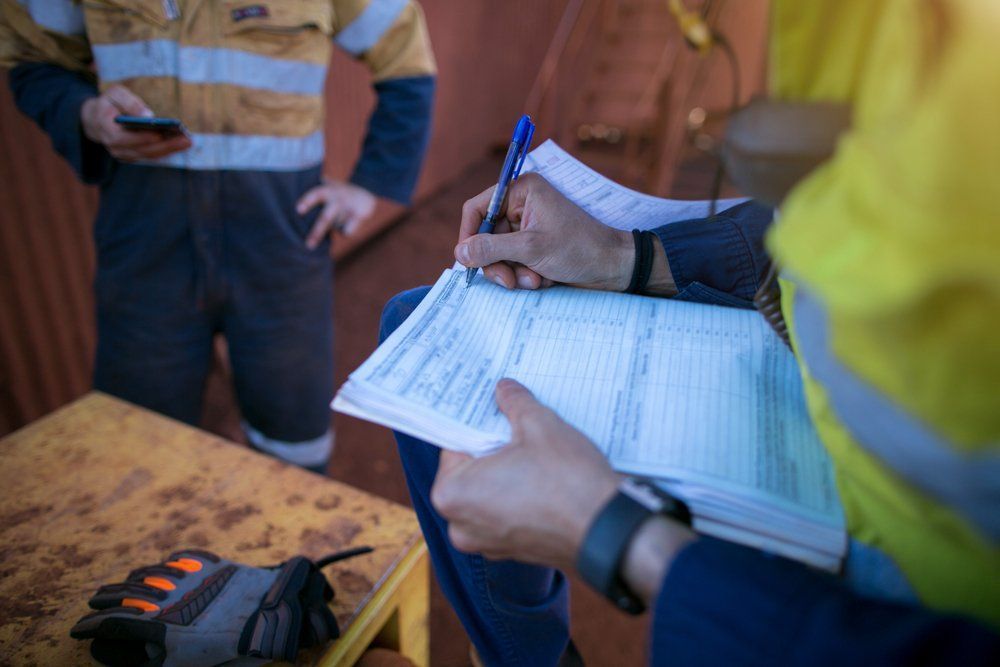
At Safe Industries Group, we are committed to creating safe workplaces for businesses across Newcastle, the Hunter Valley and the Mid North Coast. Site safety and compliance checks are the process of identifying potential hazards and assessing risks associated in the area.
Under the Work Health and Safety Act, every business (referred to as a PCBU) has a legal duty to provide adequate first aid arrangements for their workers. The Safe Work Australia Code of Practice for First Aid in the Workplace sets out exactly what that looks like in practice, covering everything from risk assessments and appropriately stocked kits through to trained first aiders, proper facilities and accurate record keeping.
Our licensed team can complete a tailored inspection audit for your worksite. For example:
- Construction sites will focus on checking whether there is appropriate PPE, signage, fall protection equipment, electrical hazards & communication protocols.
- Office inspections tend to emphasise essential fire safety measures, emergency evacuations and basic safety facilities.
- Warehouses or factories will check on PPE,
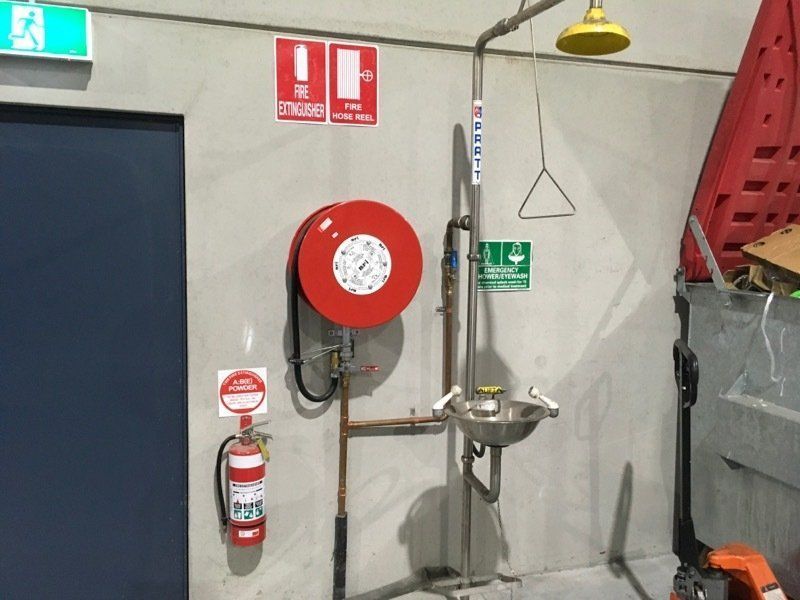
essential fire safety measures, spill and environmental spill protection equipment, emergency showers and proper signage.
Whether you're starting from scratch or looking to strengthen existing safety measures, our team is here to help. Call us on 1800 723 344 to get started.
Risk Management
Safety Audits
Compliance Support
A Safer Team, Better Results
When to Conduct Inspections?
Regular inspections are encouraged so you can accommodate any changes that happen at your workplace, and to ensure that you are compliant with any relevant Australian Standards. We recommend you inspect and review your control measures when:
- When mandated or suggested by a current Australian Standard (AS 4775, AS 1851, AS 2293, AS 1269)
- An injury or accident has occurred, or if it’s considered a ‘near miss’
- Workplace layout or practices are changed
- New equipment, materials or work processes are introduced
- A new problem has been identified
- A consultation shows a review is needed
- A request has been submitted by a health & safety representative
At Safe Industries Group, we help businesses across Newcastle, the Hunter Valley and the Mid North Coast translate legislative requirements into a practical, risk-based compliance plan, covering first aid kit supply and inspection, first aider training and detailed record keeping.
Rather than leaving you to interpret the Code alone, our team carries out the risk assessment, recommends the right level of first aid provision for your workplace and keeps your compliance on track year-round.
Call Safe Industries Group today on 1800 723 344 to make sure your WHS obligations are covered.
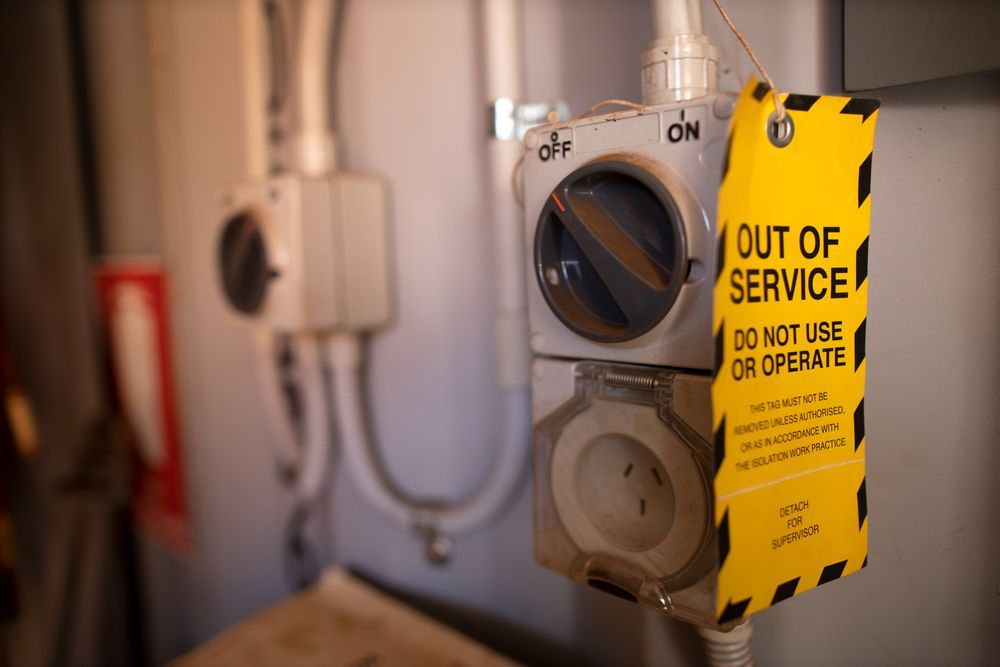
Clear Safety Signs
Communicate Hazards Before They Cause Harm
Poor signage is one of the most commonly overlooked WHS risks in Australian workplaces, and one of the easiest to fix. At Safe Industries Group, our team supplies a comprehensive range of safety signage to businesses, helping workplaces communicate hazards, directions and safety requirements clearly and effectively.
From mandatory and prohibition signs to hazard warnings, emergency information and fire safety signage, we stock solutions suited to every industry and site type. Our team will help you identify the right signage for your workplace so every worker and visitor knows exactly what to expect the moment they step on site.
More Than a Sign on the Wall
How the Right Signage Protects Your People
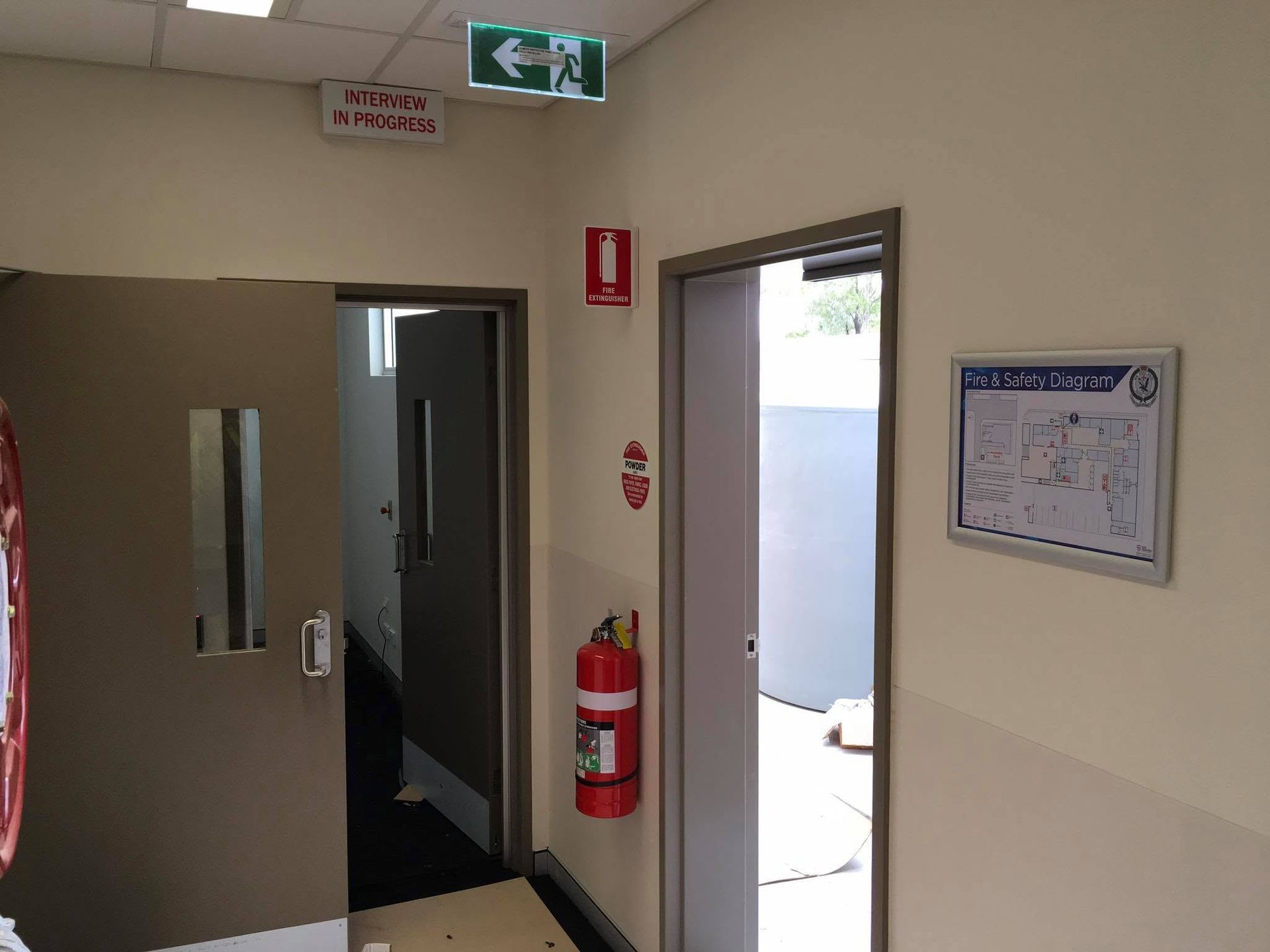
Safety signage works best when it is strategically placed, easy to read and appropriate for the specific hazards present in your workplace. A sign that is poorly positioned, faded or doesn't meet Australian standards provides little protection and can actually create compliance issues during a WHS audit or workplace inspection.
Under Australian Standard AS 1319, safety signs must meet specific requirements around colour coding, symbols, wording and placement to ensure they communicate effectively across diverse workforces, including those where English may not be a first language. Investing in quality, compliant signage is a straightforward and cost-effective way to reduce incidents, support your broader WHS framework and demonstrate that your business takes its duty of care seriously.
contact us
Send Us a Message
Contact Us
Thank you for contacting Safe Industries Group.
We will get back to you as soon as possible.
Oops, there was an error sending your message.
Please try again later.
FAQs
Everything You Need To Know
What are my legal obligations as an employer under WHS laws in NSW?
Under the Work Health and Safety Act 2011, employers in NSW have a primary duty of care to ensure the health, safety and welfare of all workers. This includes providing a safe physical environment, adequate training, clear procedures and appropriate supervision. Failing to meet these obligations can result in significant fines, legal action and reputational damage to your business.
How often should workplace health and safety policies be reviewed?
WHS policies should be reviewed at least annually, or whenever there is a significant change to your workplace, such as new equipment, new staff, a change in processes or following a workplace incident. Regular reviews ensure your procedures remain current, relevant and aligned with any updates to Australian safety legislation and industry standards that may affect your obligations.
What is a risk assessment and why is it important in the workplace?
A risk assessment is a structured process of identifying potential hazards in your workplace, evaluating the likelihood and severity of harm and putting control measures in place to eliminate or reduce that risk. It is a fundamental part of any WHS framework and helps businesses proactively address dangers before they result in injuries, incidents or costly disruptions to operations.